
How Dental Needs Change as You Age and the Conditions To Watch for
You try your best to brush, floss, and use quality products daily to maintain a bright smile.
However, it’s difficult to fit time into your schedule for a routine dental check-up, especially if you aren’t having any issues. You do love how fresh your mouth feels after a professional cleaning, but sometimes it just seems easier to skip a visit or two.
Our extraordinary bodies undergo countless changes throughout our lifespan, and our teeth are no exception. Keep reading to learn facts about oral health and the aging process, how important routine check-ups really are, and how you can maintain the best pearly whites possible for years to come.
Table of Contents
- Key Facts About Oral Health and Aging
- How Tooth Structure Evolves Over Time
- 6 Factors That Affect Oral Health at Any Age
- The Importance of Preventive Dental Care and Early Diagnosis
- Support Your Oral Health at Every Stage of Life at Mint Dental Works
Key Facts About Oral Health and Aging
As we age, certain changes occur gradually within our bodies and can impact our oral and dental health, including:
- Cells regenerate at a slower rate, affecting the healing process.
- Tissues become thinner and less elastic, including the gums.
- Bones can become weakened and less dense, which may include the jaw that supports your teeth.
- The immune system can weaken, making it easier for infection to occur and delay healing.
There are many common misconceptions about routine dental care as the years tick by:
- “I do not need to see a dentist if I brush regularly and my teeth don’t bother me.” Many believe they do not need dental visits unless they experience pain. However, many issues develop silently. Regular visits help catch problems early, even when you feel fine.
- “Dental visits are too expensive.” Some may consider dental care a financial burden. While treatment costs can be higher, preventive care is often more affordable. Many insurance plans cover routine visits, making them a smart investment.
- “Oral health is only about teeth.” Some people think oral health only concerns teeth. In reality, it involves gums, tongue, and overall mouth health. Healthy gums and tissues are essential for a healthy mouth, emphasizing the need for comprehensive care.
A healthy smile can significantly enhance your quality of life. When you feel confident about your teeth, you are more likely to engage in social situations, speak freely, and smile without hesitation.
Don’t skip the preventive dental care that helps ensure your teeth remain strong and attractive and even boosts your confidence.
How Tooth Structure Evolves Over Time
Our teeth are incredibly strong, but they are not made of the same living tissue as our muscles or bones. The hard outer shell of a tooth, known as enamel, is not able to regenerate if damaged.
Over time, the pressure and force placed on teeth from chewing, pressure, or temperature changes can slowly alter tooth structure.
Tooth changes that are common with aging include:
- Enamel thinning
- Changes in color due to dentin exposure
- Increased brittleness from repeated stress and pressure
- Reduced pulp size as nerves regress
- Increased translucency, especially at the front of the teeth on the biting edges
- Development of tiny cracks in the enamel that can affect color and appearance
Mint Dental Works cares for patients of all ages. Understanding dental care from young to old helps patients make informed decisions about routine care, restorations, and planning for optimal dental health for an entire lifespan. Contact us today to maintain or restore a clean and healthy smile.
Early Childhood
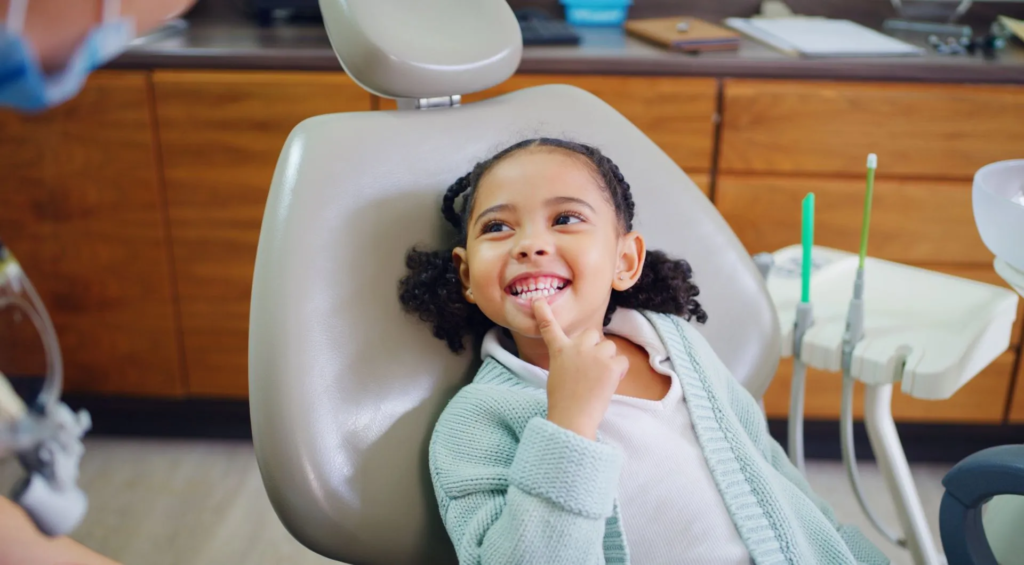
Early childhood is a critical time to form healthy habits for lifelong oral health. By starting regular dental visits and home care routines early on, children learn the importance of brushing, flossing, and caring for their teeth.
Early dental care allows the dental team to monitor your child’s oral health closely, enabling them to identify any potential issues in their early stages. Regular dental check-ups and cleanings help prevent dental problems like tooth decay and gum disease. Additionally, early detection of potential orthodontic issues or developmental abnormalities allows for timely intervention and effective treatment.
The primary teeth play a vital role in the development of a child’s bite and alignment. Early dental care monitors the eruption of primary and permanent teeth to ensure they are coming in properly. If any issues are detected, interventions can be initiated for proper growth and alignment of the teeth, preventing more severe problems in the future.
Adolescence
Good dental care during adolescence is important for preventing the progression of permanent tooth decay, managing orthodontic needs, and establishing lifelong oral health habits.
Routine dental visits prevent long-term, costly issues like severe gum disease, promote confidence through a healthy smile, and protect against damage from high-sugar diets and sports-related injuries with the use of mouthguards.
Early Adulthood
Dental care in early adulthood is vital to prevent the progression of tooth decay and gum disease, which can lead to permanent tooth loss and costly, painful restorative treatments later.
Consistent care in early adulthood:
- Establishes long-term habits.
- Reduces the risk of systemic health issues such as heart disease and diabetes.
- Promotes professional and social confidence with a healthy smile.
- Maintains dental health now and may help prevent more costly issues in the future.
Pregnancy
Fluctuations in hormones during pregnancy and other factors make dental care during pregnancy especially important.
- Hormones can induce red, inflamed, or bleeding gums in pregnancy gingivitis.
- Untreated periodontal disease can lead to pre-term delivery or low birth weight.
- Frequent morning sickness may expose the teeth to stomach acid and could lead to tooth decay.
Midlife
For adults navigating the complexities of middle age, dental health demands greater attention. Conditions like periodontal disease can lead to severe complications if unchecked. Additionally, the risk for oral cancer escalates in midlife, making regular screenings an essential practice.
This age group also begins to require restorative dental work along with routine care. As fillings and other dental work from earlier years begin to fail, the need for maintenance and replacement grows. Regular dental check-ups facilitate the early detection and management of such issues, potentially avoiding more extensive procedures down the line.
Late Adulthood
As individuals approach late adulthood, they may be faced with a myriad of dental issues from wear and tear over the years, including:
- Missing teeth or the use of dentures
- Decay
- Gum disease
- Dry mouth
- Teeth sensitivity
- Health conditions
- Difficulty holding a toothbrush or completing oral care
While other care needs may seem to take precedence over dental and oral care, the goal of dental health in late adulthood is to maintain comfort, function, and adequate nutrition without oral difficulties.
6 Factors That Affect Oral Health at Any Age
Individual circumstances can influence how frequently you should visit the dentist. Age is a significant factor, as children and seniors may require more frequent visits. Additionally, your overall oral health status matters. If you struggle with gum disease or cavities, you may need to see the dentist more often for treatment.
Lifestyle factors, such as smoking or regularly consuming high-sugar treats or drinks, may also increase the risk for oral health problems. Understanding these factors helps to determine the best schedule for dental visits.
#1: Gum Issues
Receding gums, where the gum tissue pulls away from the tooth, exposing the tooth root, are prevalent in older adults.
Gum disease, or periodontal disease, is often the primary cause of receding gums, with factors such as inadequate oral hygiene, smoking, diabetes, dry mouth, and a weakened immune system contributing to its development.
Gingivitis is the earliest, reversible stage of gum disease caused by plaque buildup and leads to inflamed, tender, red, and bleeding gums. It is primarily treated through improved oral hygiene like brushing and flossing, and professional dental cleanings to remove tartar. Untreated, it can progress to severe periodontitis.
These conditions provide a breeding ground for bacteria, leading to inflammation, decay, and potential tooth loss.
If you notice any changes in your teeth or gums, especially the presence of pain with daily care, it is time for a professional evaluation. During your appointment, Mint Dental Works will perform a thorough assessment to determine what treatments your teeth require.
#2: Dry Mouth
Older adults are more susceptible to dry mouth, or xerostomia, which can occur due to age, medications, or underlying health conditions.
Insufficient saliva production can lead to:
- Impaired taste
- Difficulty chewing
- Swallowing difficulties
- Mouth sores
- Gum disease
- Tooth decay
Medications used to treat high blood pressure, cholesterol, pain, and depression are common culprits of dry mouth in older adults.
Key remedies for dry mouth include:
- Sipping water
- Chewing sugar-free gum or candy
- Using saliva substitutes or rinses
- Using room humidifiers
#3: Jawbone Density and Tooth Stability
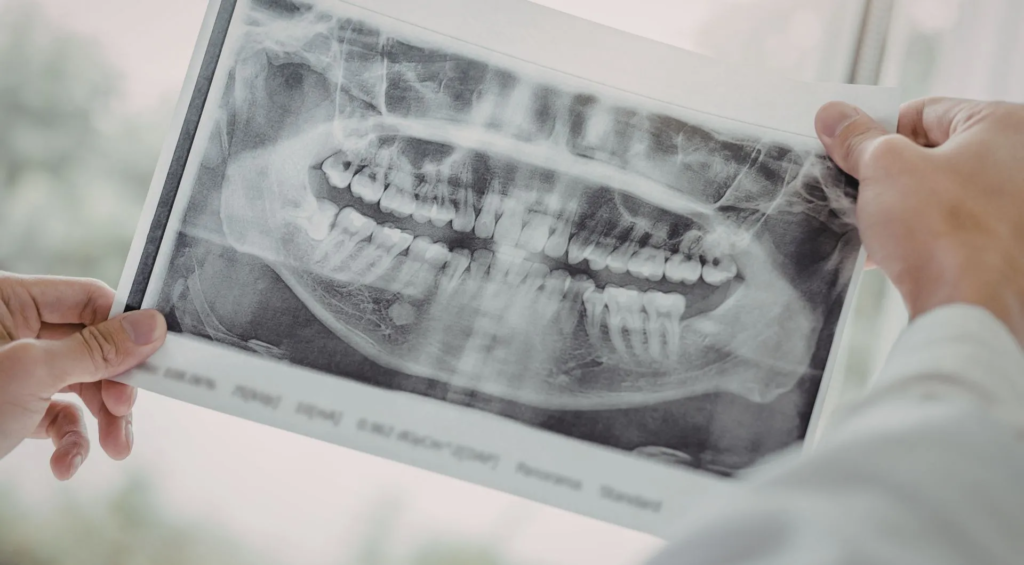
Bones may change throughout your lifespan, including the jawbone. Bone density changes can negatively impact tooth support. Changes in the bone or bone loss can:
- Make teeth unstable
- Affecting facial structure
- Shift teeth
- Make tooth replacement more complex
Regular exams and X-rays can help detect early structural shifts, allowing your dental team to prevent more serious concerns like tooth loss in the future.
#4: Oral Cancer Screenings
The risk of oral cancer increases with age, and it occurs more frequently in men aged 45 and older. Certain factors also increase the risk of developing oral cancer, such as:
- Smoking
- Excessive alcohol consumption
- Poor oral hygiene
- Prolonged rubbing from rough teeth or dentures
- Weakened immune systems
- HPV infection
Although risk increases with age, routine screenings are simple and essential for early detection.
#5: Cosmetic Changes
As with other parts of your body in the aging process, your teeth may also begin to show unwelcome changes such as darkening, enamel thinning, cracks, or the loss of pieces of teeth.
Restoration and repair of these dental issues may seem solely cosmetic, but in reality, it is better for your overall oral health.
Fractures or cracks in teeth can harbor bacteria that will lead to decay. Improper bite surfaces can lead to mouth pain or lesions from rough surfaces. A lost tooth can cause the remaining teeth to shift.
Repairing small concerns will prevent larger ones in the future.
#6: Systemic Issues
As you age, the connection between oral health and overall health becomes more important, but also more complex, as with the following diagnoses:
- Diabetes: The relationship between diabetes and gum disease becomes critical with age, as both conditions can worsen the other if not addressed.
- Heart disease: There are links between cardiovascular and oral health, making oral hygiene vital for older adults.
- Medications: Some medications can negatively impact your oral health, making routine dental visits essential to prevent further harm.
- Bone health and osteoporosis: Osteoporosis and other bone disorders may affect jawbone health and treatment options.
The Importance of Preventive Dental Care and Early Diagnosis
While some changes are inevitable, many age-related dental concerns can be minimized or prevented with appropriate care routines.
- Regular professional care: More frequent visits may be necessary to monitor and address changes before they escalate, with many older adults benefitting from visits every three to four months.
- Enhanced oral hygiene: Aging teeth may require modified brushing techniques, special toothpaste for sensitivity, or additional cleaning aids.
- Fluoride supplementation: Professional fluoride treatments may help guard aging teeth against decay.
- Dietary modifications: Make dietary adjustments to include more tooth-friendly foods, such as limiting the acid or sugar content.
- Technology: Modern dental technology offers strategies not available to previous generations, such as high-resolution digital imaging with low radiation exposure.
Support Your Oral Health at Every Stage of Life at Mint Dental Works
Helping you maintain a healthy smile throughout your life is a top priority.
That’s where we come in! At Mint Dental Works, we provide patients in the Portland area with an extensive range of treatments that stop dental damage and minimize any problems before they even begin.
From standard dental exams, cleanings, fluoride treatments, and other necessary dental care, our staff works closely with you to protect and preserve your beautiful smile and healthy mouth. Mint Dental Works is the SE Portland dentist here to help with all your dental care needs, whether it’s general, specialty, or cosmetic services.
Contact us today and let us help you show off a winning smile!