
Grinding Through It: What Stress Is Really Doing to Your Smile
Stress affects people of all ages and lifestyles. Most people understand that chronic stress can affect the body and can contribute to issues like headaches, high blood pressure, and fatigue.
But were you aware that stress can also affect your oral health?
Stress can quietly damage your oral health by increasing your risk of teeth grinding, tooth decay, gum disease, and dry mouth.
In this article, we will examine how stress can affect your teeth and gums, and ways to manage it to improve your oral health.
Table of Contents
- Can Stress Affect Your Teeth and Gums?
- 5 Ways Stress Can Affect Your Teeth and Gums
- 5 Ways To Manage Stress for Better Oral Health
- Can Stress Affect Your Gums and Teeth? FAQs Answered
- Learn How Mint Dental Works Can Help You Stop Hiding Behind Your Smile
Can Stress Affect Your Teeth and Gums?
Excessive stress can have a significant impact on your oral health. Stress weakens your immune system and increases stress hormones, which can have negative effects on your teeth and gums.
Stress can cause:
- Teeth grinding
- Tooth decay and cavities
- Increased sensitivity
- Canker sores
- Gum disease
- Inflammation
- Dry mouth
- Increased chance of neglecting oral hygiene
If you find yourself experiencing increased stress and any dental issues, our dedicated team at Mint Dental Works offers a comprehensive range of services to get your oral hygiene back on track and keep your mouth healthy.
What Are the Symptoms of Stress in the Mouth?
You may not realize that stress is affecting your oral health until you experience some of the following symptoms:
- Pain: Jaw pain, headaches, or stiffness
- Gum issues: Gums that are red, swollen, or bleeding
- Tooth issues: Worn-down teeth, pain or irritation, or teeth that seem loose
- Sour breath: Having a persistent bad taste or bad breath
- Recurring sores: Canker or mouth sores that keep coming back
Other symptoms of stress that affect your mouth are:
- Tooth grinding, or bruxism
- Nail biting
- Dry mouth
- Temporomandibular disorder (TMJ)
5 Ways Stress Can Affect Your Teeth and Gums
#1: Teeth Grinding
The biggest trigger of teeth clenching and grinding is stress. If you find yourself in a stressful situation, you may not even realize you are clenching your teeth. When you are overly stressed, you may grind your teeth at night without even being aware.
Since teeth grinding often happens unconsciously, symptoms to watch for include:
- Headaches
- Abnormal tooth wear
- Broken or cracked teeth
- Facial soreness
- Jaw pain
- Issues with your temporomandibular joint
- Sensitivity in your teeth and gums
Teeth grinding can be treated with a dentist-provided night guard and by finding strategies to help manage your stress.
#2: Gum Disease and Inflammation
While the connection between stress and gum disease may not seem obvious, stress can trigger inflammation and lead to gum disease, such as gingivitis, by suppressing your immune system.
Stress can make it harder for your body to fight off the bacteria and germs that enter your mouth, leading to oral infections and inflammation. In turn, your inflamed gums may lead to gum disease, periodontitis, and even tooth loss if left untreated.
Brushing your teeth at least twice and flossing thoroughly daily, as well as routine visits to the dentist, can help combat inflammation and prevent gum disease. Even when you are feeling stressed, don’t skip these important routines.
#3: Dry Mouth
When your body is stressed, it releases stress hormones, which slow saliva production and create dry mouth.
Dry mouth, also known as xerostomia, can have several stress-related causes, including:
- Reduction of saliva due to stress and anxiety
- Mouth breathing when feeling anxious
- Side effects of some medications used to treat anxiety and depression
- Dehydration stemming from anxiety
Without sufficient saliva, food debris and bacteria can’t be washed away from your teeth. When the bacteria and food debris stay on the teeth, tooth decay, cavities, and even gum disease can happen.
Drinking water and chewing gum can help increase saliva production. Managing stress and anxiety can also help combat dry mouth. Consult your dentist when dry mouth is a persistent problem to prevent tooth problems.
#4: Canker Sores
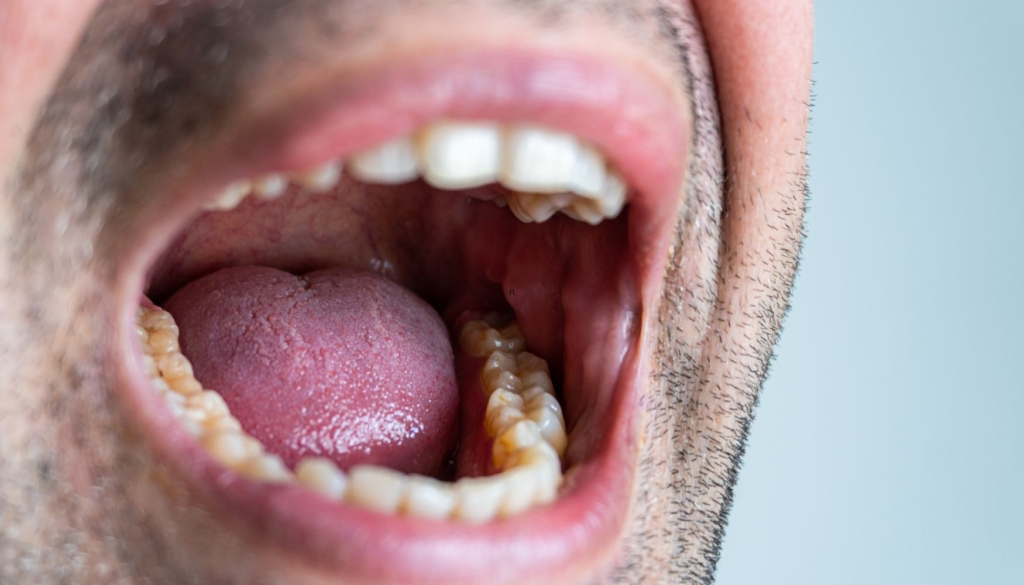
Canker sores are painful sores that occur in the tissues of your mouth. They often occur in pairs, and there is no clear cause for canker sores, but stress does impact your chances of getting them.
Canker sores will heal on their own after 10–14 days; however, you can help prevent further irritation by avoiding spicy or acidic foods and trying an over-the-counter numbing ointment.
Managing your stress can help reduce the chances of recurring canker sores. If you find yourself getting them often, your dentist may be able to prescribe a steroid to help treat them.
#5: Neglecting Dental Hygiene
When you are under significant stress, it is easy to let self-care routines like brushing twice daily and flossing go by the wayside. Stress may also affect your diet, as many people start to crave sugar during periods of stress.
When you start skipping parts of your oral hygiene routine and combine it with unhealthy eating habits, there may be many consequences for your mouth.
Neglecting dental hygiene may cause:
- Cavities and tooth decay
- Bad breath
- Gum disease
- Tooth loss
- Bleeding gums
- Sensitivity
Although simple tasks, such as brushing your teeth, may feel overwhelming during times of stress, it is important not to neglect your teeth. Doing so may add more stress to your life as dental problems develop.
5 Ways To Manage Stress for Better Oral Health
#1: Stay Hydrated
Drinking plenty of water throughout the day can help you fight dry mouth, especially when you are stressed. Drinking water helps boost saliva production, which is needed to help wash away food debris and bacteria.
Avoiding sugary and caffeinated drinks can make dry mouth worse, so it is best to drink water when possible.
#2: Incorporate Stress-Reducing Techniques
The first step in managing stress is recognizing when it is happening and what is triggering it. Then, you practice methods to help you manage stress in healthy ways.
Techniques for reducing stress include:
- Eliminating the triggers
- Eating a balanced diet
- Exercising
- Mindfulness practices like yoga and meditation
- Taking breaks
- Listening to calming music
- Relaxing with a massage or bath
#3: Use a Mouthguard
When you find yourself experiencing the negative effects of teeth grinding, wearing a mouth guard when you sleep may prevent you from grinding your teeth unknowingly.
If bruxism is a recurring problem when you are stressed, you may need a custom-fitted mouth guard. Contact your dentist to get fitted for one.
Our dental staff at Mint Dental Works can help you with solutions to dental issues, such as bruxism and more. If you are looking for a compassionate dental office in the Portland area, the experts at Mint Dental Works are a good fit.
#4: Practice Good Oral Hygiene
It is very important to continue brushing and flossing daily, even during periods of high stress. Be sure to brush at least twice a day and floss to remove food debris and bacteria that can cause tooth decay and lead to gum disease.
Using an antimicrobial mouthwash is also beneficial for maintaining gum health. Antimicrobial mouthwashes either kill bacteria or prevent them from building up in your mouth and from forming biofilms. Bacteria and biofilms can lead to plaque buildup and eventually gum disease if left untreated.
#5: Get Regular Dental Checkups
To maintain your oral health, don’t skip your dental checkups! It is recommended to get a dental check-up a minimum of once a year; however, most dentists recommend coming in for a check-up every six months.
There may be certain factors that would require more frequent checkups. If you have gum disease, contract cavities frequently, or have high-risk factors for gum disease, such as diabetes or dry mouth, you will need to see your dentist more often.
Can Stress Affect Your Gums and Teeth? FAQs Answered
How Can I Tell If I’m Grinding My Teeth?
Usually, you won’t know you are grinding your teeth as it happens because it typically occurs when you are sleeping. However, if you wake up with symptoms such as headaches, jaw pain, jaw stiffness, tooth sensitivity, or worn-down teeth, you may be grinding your teeth while you are sleeping.
Can I Prevent Canker Sores Caused by Stress?
The cause of canker sores isn’t entirely known. However, stress does increase the likelihood of getting canker sores. Finding techniques to help manage your stress can help you prevent outbreaks.
What Should I Do If I’m Experiencing Dry Mouth Caused by Stress?
Saliva is needed to wash bacteria and food debris out of your mouth. When you experience dry mouth, you are at risk of tooth decay and gum disease.
To combat dry mouth:
- Stay hydrated
- Chew gum (keep it sugar-free for better oral hygiene) to boost saliva
- Avoid mouthwashes that contain alcohol
Can Stress Cause Gum Problems?
Stress can weaken your immune system, making it harder for your body to fight off infections and inflammation. Inflammation and infections in the mouth can eventually lead to gum disease if it is left untreated.
Learn How Mint Dental Works Can Help You Stop Hiding Behind Your Smile
At Mint Dental Works, we pride ourselves on having a dedicated, experienced, and friendly staff. We utilize the most up-to-date technology and dental practices to ensure our clients receive the best care.
Mint Dental Works offers cosmetic, restorative, and preventative dental care to patients of all ages. Our team works to provide you with informed treatment options and help you feel comfortable with your smile.
Whether you are experiencing dental problems or are simply in need of a routine check-up, Mint Dental Works can help. Reach out to make an appointment today.
The content in this blog is not intended to be a substitute for professional medical advice, diagnosis, or treatment. Always seek the advice of your physician or other qualified health provider with any questions you may have regarding a medical condition.