
A Patient’s Guide to Dental Fillings: Your Path to a Healthier Smile
Do you have a dull ache that kicks in each time you bite down?
Are you feeling painful sensitivity when you eat something hot, cold, or sweet?
It may be time to call your dentist to schedule a filling.
Have you ever wondered about the types of dental fillings and which one your dentist might choose to remedy your issue?
Here, we cover exactly what a dental filling is, the types of fillings available, and where to go in Portland for positive dental care you have to experience to believe.
Table of Contents
- What Is a Dental Filling?
- What Is Done During a Dental Filling?
- Types of Dental Fillings
- Benefits and Risks of Dental Fillings
- Commonly Asked Questions About Dental Fillings
- What Is a Composite Dental Filling?
- What Is a Dental Buckle Filling?
- Mint Dental Works: Offering Dental Fillings and More With a Luxury Dental Experience in Portland, Oregon
What Is a Dental Filling?
Dental fillings are a restorative dentistry treatment used to repair cavities or fix minor cracks and chips in your teeth.
What Is Done During a Dental Filling?
What’s done during a dental filling depends on the type of filling, but the general process involves:
- Numbing the area
- Removing the damaged tooth structure
- Disinfecting the cavity
- Preparing the tooth surface
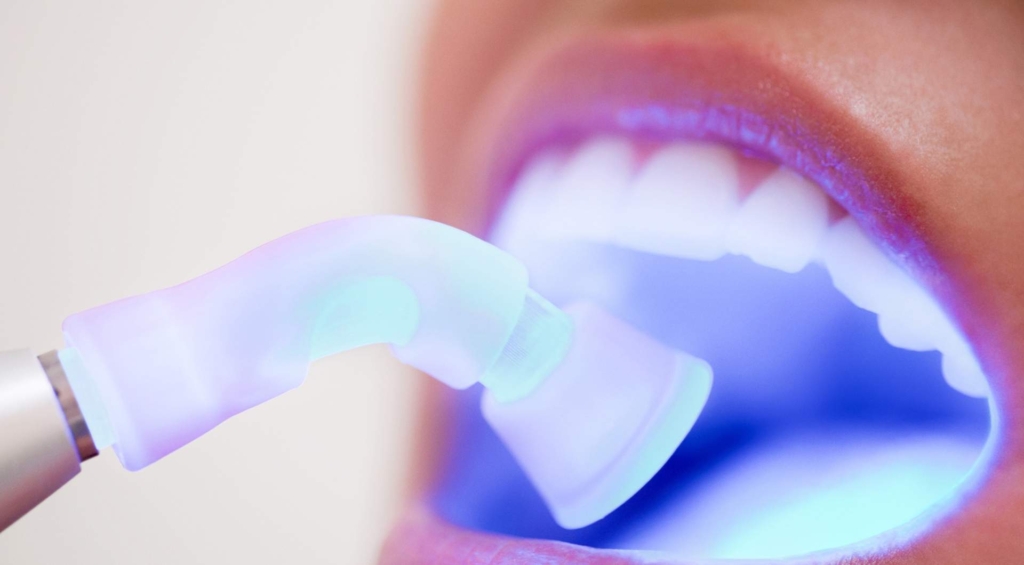
- Placing, shaping, and hardening the filling material
- Checking the bite
- Polishing the filling
If you think you need a filling, the SE Portland dentists at Mint Dental Works are happy to discuss treatment options with you and determine the best dental filling for your situation. Contact us today!
Types of Dental Fillings
Direct Fillings
For this type of dental filling, your dentist creates and places the filling directly into your mouth, without the need for a dental laboratory. Direct fillings are completed in one office visit and use materials such as:
- Resin composite: Tooth-colored and made of a resin base mixed with powdered glass, quartz, or silica. This is the primary material used at Mint Dental Works.
- Amalgam: Silver-colored and contains a mix of mercury, silver, tin, zinc, and copper. With the advent of better, healthier materials, Mint Dental Works has never utilized amalgam in our fillings.
- Glass ionomer: Tooth-colored and composed of silica glass powder. While not placed as frequently, glass ionomer can be advantageous because it releases fluoride and bonds well to the tooth, making it ideal for areas with a higher risk of decay.
Indirect Fillings
An indirect filling fits into the existing tooth structure like a tiny puzzle piece.
Indirect fillings are often made in a lab by a dental technician and typically require two appointments — one to take impressions of your teeth and another to place your restoration.
At Mint Dental Works, our CAD/CAM, a computer-aided design and manufacturing technology, allows us to create and place your indirect filling in a single office visit.
Common types of indirect fillings include inlays and onlays, and are generally used when a tooth is too damaged to support a filling, but not damaged enough to warrant a crown.
Common materials for indirect fillings may include:
- Gold: Gold-colored and made of a mix of gold, silver, tin, copper, or palladium
- Porcelain: Tooth-colored and composed of a mixture of minerals like quartz, feldspar, and kaolin
Benefits and Risks of Dental Fillings
What Are the Benefits of Dental Fillings?
Dental fillings allow for the removal of tooth decay and can reduce the risk of future damage.
Depending on the type of dental filling used, they may also:
- Restore your ability to chew
- Enhance the overall appearance of your teeth and mouth
- Preserve your natural tooth structure
- Can last many years
What Are the Potential Risks of Dental Fillings?
Following a dental filling procedure, you may experience minor tooth sensitivity and localized gum soreness. These side effects are only temporary, are considered common, and should resolve within a week or two.
Risks of dental fillings that may require additional treatment are generally uncommon but may include:
- A throbbing toothache: This may indicate the need for a root canal if the decay has reached the pulp of your tooth.
- Pain when biting down: Pain may occur if your filling is interfering with your natural bite and can be remedied by reshaping your filling.
- Pain in response to cold or heat: Intense, lingering pain when something cold or hot touches your tooth may indicate damage to the tooth’s nerve and the need for a root canal or tooth extraction.
Commonly Asked Questions About Dental Fillings
Is Getting a Dental Filling Painful?
It shouldn’t be.
Before performing the filling, your dentist will use local anesthesia to numb the tooth and the surrounding area. If you experience any discomfort during the dental filling procedure, let your dentist know, and they’ll give you additional numbing medication.
At Mint Dental Works, we help take your mind off your dental filling procedure. Sit back in our comfortable patient chairs and enjoy watching your favorite movie or show while you experience our exceptional, comprehensive dental care.
How Long Does It Take To Recover From a Dental Filling Procedure?
If you had local anesthesia, you should be able to return to your normal activities immediately following your appointment. Your dentist may recommend over-the-counter pain relievers, such as acetaminophen (Tylenol®) or ibuprofen (Advil®), to help manage any soreness or sensitivity, if needed.
Are Amalgam Fillings Safe?
An amalgam filling is made by mixing a metal alloy with liquid mercury to create a putty-like substance.
While the American Dental Association (ADA) says amalgam fillings are safe, the Food and Drug Administration (FDA) recently issued an updated statement saying that the mercury vapor that’s released over time may be harmful to certain high-risk groups, including:
- Individuals with impaired kidney function
- Individuals with sensitivity to mercury or other components of dental amalgam
- Pregnant women and their developing babies
- People who are planning to become pregnant within the year
- Nursing mothers and their babies
- Young children, especially those under 6 years of age
- Individuals with neurological conditions, including Alzheimer’s disease, multiple sclerosis, or Parkinson’s disease
For these and other environmental reasons, we have never utilized this material at Mint Dental Works and take great care when removing older amalgam fillings.
What Is a Composite Dental Filling?
A composite filling, also referred to as a white or tooth-colored filling, is made from a mixture of powdered glass filler and plastic resin.
Composite fillings:
- Bond to the structure of your tooth structure
- Allow for less tooth removal
- Create a stronger bond than amalgam fillings
- Generally cause less tooth sensitivity when compared to amalgam fillings
- Give a natural look since they can be made to match your existing tooth color
What Is a Dental Buccal Filling?
A dental buckle filling, or buccal filling, repairs cavities on the outer (buccal) surface of a tooth.
This type of dental filling is typically placed on the side of the tooth that faces the cheek, and is most common on the premolars and molars.
Dental buccal fillings are used to:
- Prevent additional tooth damage by stopping bacteria from reaching the tooth’s sensitive inner tissues
- Restore the structure of the tooth, preventing further loss of enamel
- Protect the nerves of the tooth from becoming exposed, which can lead to sensitivity and pain
- Improve the appearance of the tooth
When Is It Too Late To Get a Dental Filling?
When much of the tooth has been damaged, or there is nerve involvement, a dental filling won’t remedy the issue; other procedures may be required.
When Should I Call My Dentist After Having a Filling?
Call your dentist immediately if your filling breaks, or you experience:
- Swelling in your jaw or face
- Severe pain that isn’t relieved with medication
- Fever, chills, or other signs of infection

Mint Dental Works: Offering Fillings and an Exceptional Health Care Experience in Portland, Oregon
Located in Portland’s Central Eastside, Mint Dental Works is here to provide you with a dental experience that’s so positive, it’ll change your mind about dentistry.
We’re proud to be distinguished as the country’s first LEED-certified (Leadership in Energy and Environmental Design) dental office.
Whether you need a dental filling, teeth whitening, or orthodontics, visit Mint Dental Works for the latest dental treatment technology in our affordable, charming, and community-minded setting.
Reach out today — we can’t wait to meet you!
The content in this blog is not intended to be a substitute for professional medical advice, diagnosis, or treatment. Always seek the advice of your physician or other qualified health provider with any questions you may have regarding a medical condition.