The Dos and Don’ts of Dental Implant Maintenance: Tips for a Beautiful, Lifelong Smile
Whether they’re replacing missing teeth, preventing jawbone loss, or enhancing your overall appearance and confidence, dental implants are the superheroes of your mouth — strong, polished, and built to last.
But even the best superheroes need a little behind-the-scenes help to stay in tip-top shape.
Maintenance of dental implants isn’t complicated…if you know what to do. With a few simple daily habits and smart long-term maintenance steps, you can help them last for years to come.
Here, the Mint Dental Works team breaks down how to prevent common issues, protect your investment, and keep your smile looking flawless.
Table of Contents
- Do Teeth Implants Require Maintenance?
- Are Dental Implants Harder To Care for Than Natural Teeth?
- The Maintenance of Dental Implants: 5 Tips for Beautiful Teeth
- Commonly Asked Questions About Dental Implant Maintenance
- Experience Portland’s Fresh Approach to Dental Implants at Mint Dental Works
Do Teeth Implants Require Maintenance?
Yes.
Dental implant maintenance is critical for protecting the integrity of your new teeth and the surrounding gums. Without proper care, you may be susceptible to peri-implantitis, a bacterial infection that affects the tissues around dental implants. When left untreated, this condition can lead to bone loss and implant failure.
Are Dental Implants Harder To Care for Than Natural Teeth?
Not really.
The daily care routine for dental implants includes brushing, flossing, and rinsing, just like you do with natural teeth. The main difference is taking extra time to thoroughly care for the gumline and area around your implant posts.
At Mint Dental Works in Portland, we create replacement teeth that look, feel, and function like your natural teeth. Contact our team of dental professionals today to learn more.
The Maintenance of Dental Implants: 5 Tips for Beautiful Teeth
#1: Visit Your Dentist Regularly
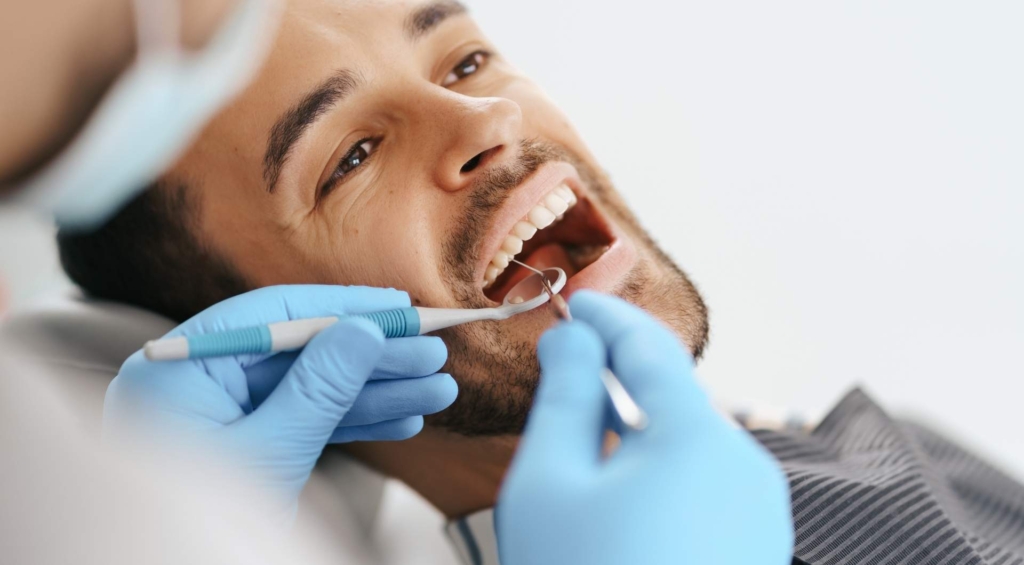
The first tip for successful maintenance of dental implants is seeing your dentist regularly. Just like your natural teeth, dental implants need routine cleanings.
Most dentists recommend six-month checkups. However, if your dental implants are newly healed or you have risk factors like gum disease, they may want to check you more frequently to monitor your bone health and the stability of the gums around your implant.
During your regular visits, your dentist will be able to keep an eye out for any early signs of dental implant failure. Your hygienist will also carefully remove plaque that has built up around your gums to reduce your risk of peri-implantitis.
#2: Brush & Floss Twice a Day
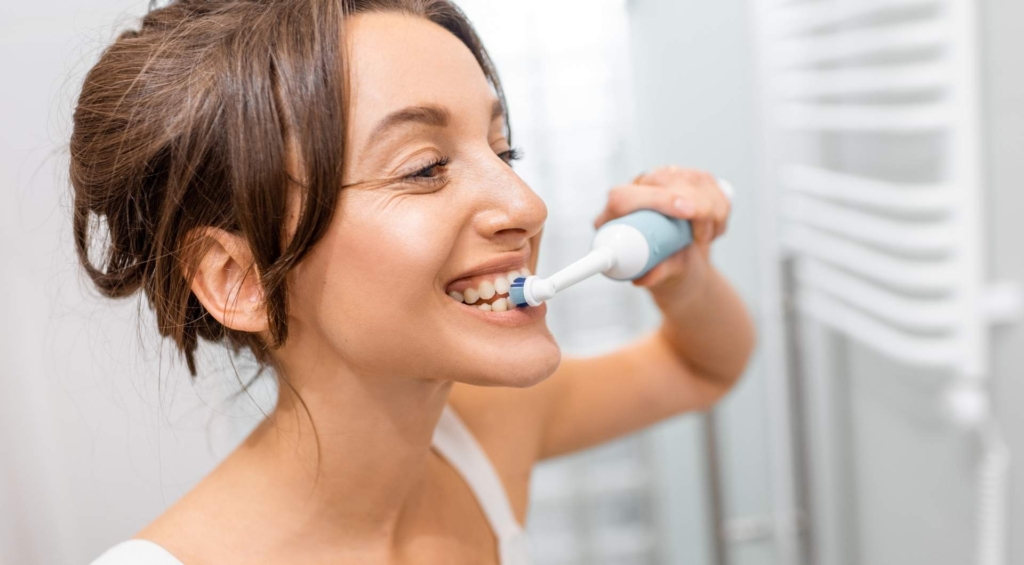
It’s important to care for your dental implants just as you would your natural teeth. Brush at least twice a day with a soft-bristled brush using a low-abrasive, tartar control toothpaste.
You’ll also need to floss daily in between your teeth and the abutments — the connective pieces that attach each implant to its dental prosthesis. An oral irrigator, also known as a water flosser, may be recommended by your dentist.
#3: Use Mouth Rinse
Daily use of an antimicrobial mouth rinse can help keep the bacteria in your mouth from building up and can reduce your risk of peri-implantitis. Your dentist will be happy to recommend the right mouth rinse for you.
#4: Avoid Smoking
Smoking can be detrimental to dental implant maintenance because nicotine can potentially:
- Slow the healing process by constricting blood vessels and reducing blood flow and oxygen to the implant site
- Significantly increase the risk of implant failure by preventing the implant from properly fusing with the jawbone
- Weaken your immune system and foster a breeding ground for bacteria that can lead to infections like peri-implantitis
#5: Alert Your Dentist If You Notice an Issue
Carefully monitor your teeth for signs of implant failure, including:
- Persistent pain
- Redness, swelling, or bleeding around your gumline
- Loose or wobbly implants
- Difficulty chewing
- Gum recession
- A foul taste or odor coming from the implant site
- Persistent numbness or tingling in your mouth or face
Seek treatment from your dentist at the first sign that something is amiss — early intervention is vital to saving your implants. Get that minty fresh feeling at Mint Dental Works. No matter your dental need, our goal is to provide you with a comprehensive slate of services, compassion, and exceptional care. Contact Mint Dental Works today.
Commonly Asked Questions About Dental Implant Maintenance
Can Food Get Under Dental Implants?
Yes.
While the implants themselves are sealed and secure, food can get trapped in the small gaps or grooves between the implant crown and surrounding teeth due to minor gum recession that occurs over time. Proper daily cleaning with floss or a water flosser is essential for proper maintenance of dental implants.
Can Dental Implants Get Cavities?
No.
While dental implants can’t decay, if plaque isn’t removed, the surrounding gums and bone can become infected. This is why good hygiene is critical for successful dental implant maintenance.
Are Electric Toothbrushes Safe for Dental Implant Care and Maintenance?
Yes.
An electric toothbrush with soft bristles is both safe and effective for maintaining your dental implants.
Do Dental Implants Stain?
The implant itself is the small titanium post placed in the jawbone beneath the gums. This portion isn’t visible and does not stain. However, the tooth-colored crown portion attached to the implant can stain over time.
While your dental implant crowns are made from stain-resistant materials, they are not stain-proof and may become discolored over time with:
- Coffee
- Tea
- Tobacco
- Poor cleaning habits
Regular dental cleaning will help keep your teeth looking shiny and bright.
Do I Need To Use Special Toothpaste on My Dental Implants?
No.
You will, however, want to avoid abrasive toothpaste, including whitening toothpaste, since it can scratch the surface of your crowns. Choose a gentle, low-abrasion toothpaste for the best results.
Can Teeth Grinding Damage My Dental Implants?
Yes.
Chronic bruxism places stress on your implants and wears down the crowns. If you grind your teeth, talk with your dentist about being fitted for a nightguard, which can help protect both your implants and natural teeth.
Do Dental Implants Last Forever?
No.
While the titanium implant posts often last a lifetime, the topping crowns typically need to be replaced every 5 to 15 years, sometimes more.
The lifespan of dental implants depends on:
- Oral hygiene
- Lifestyle choices, like smoking and careful eating
- Regular dental check-ups
Can I Use a Waterpik To Clean My Dental Implants?
Absolutely! In fact, since they are particularly effective at removing plaque around implants and bridges, many dentists recommend water flossers.
Experience Portland’s Fresh Approach to Dental Implants at Mint Dental Works
Located in Portland’s Central Eastside, Mint Dental Works is here to provide you with a dental experience so positive, it will completely change your mind about dentistry.
Our team is proud to demonstrate our commitment to sustainability as the country’s first LEED-certified (Leadership in Energy and Environmental Design) dental office.
Whether you need dental implants or a single filling, you’ll receive exceptional, affordable, and comprehensive dental care in our charming and community-minded setting.
We’re confident you’ll love our take on Portland dentistry. Contact our experienced team today to discuss your dental needs.